
Independent guide · every fact sourced
City Pass Rome
Compare the Roma Pass and the Omnia Card, buy the pass that fits your trip and see exactly what each one includes, with real 2026 prices.

- Independent guide, not the official site
- Every fact linked to its source
- 25 guides, updated 19 Nov 2026
- Live weather, maps and routes
Popular tickets
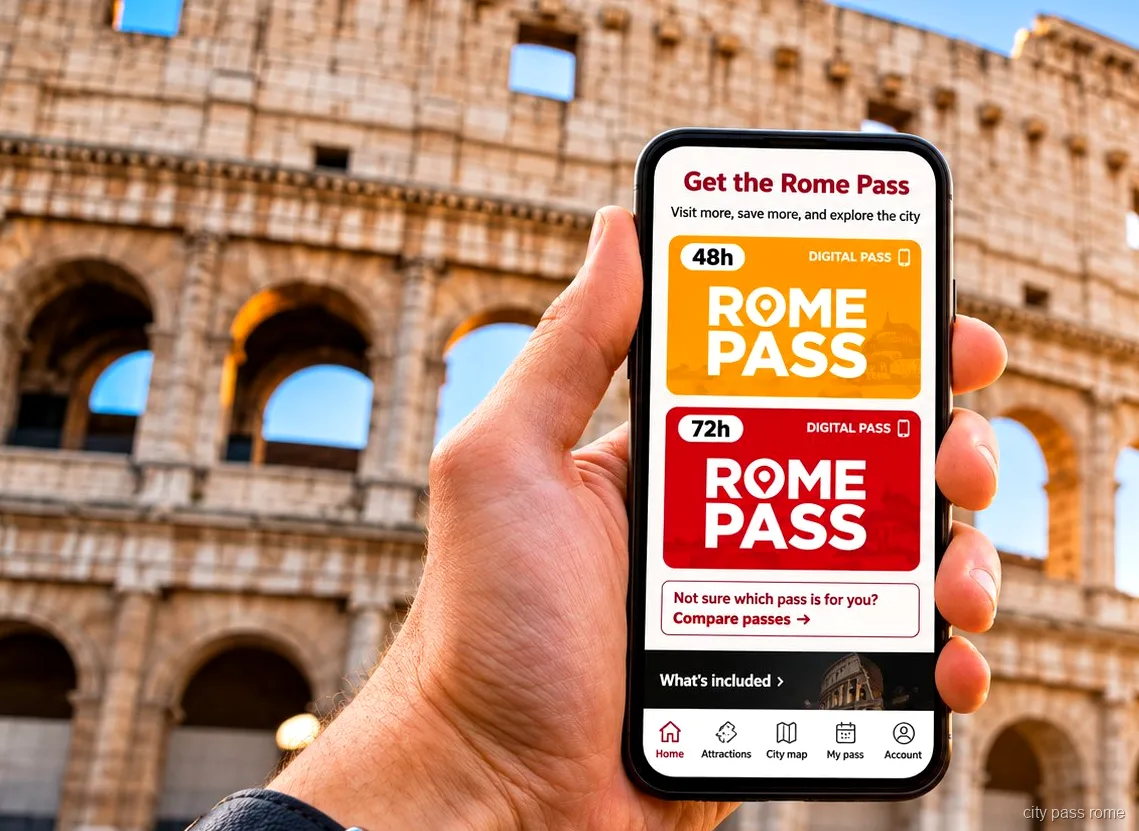
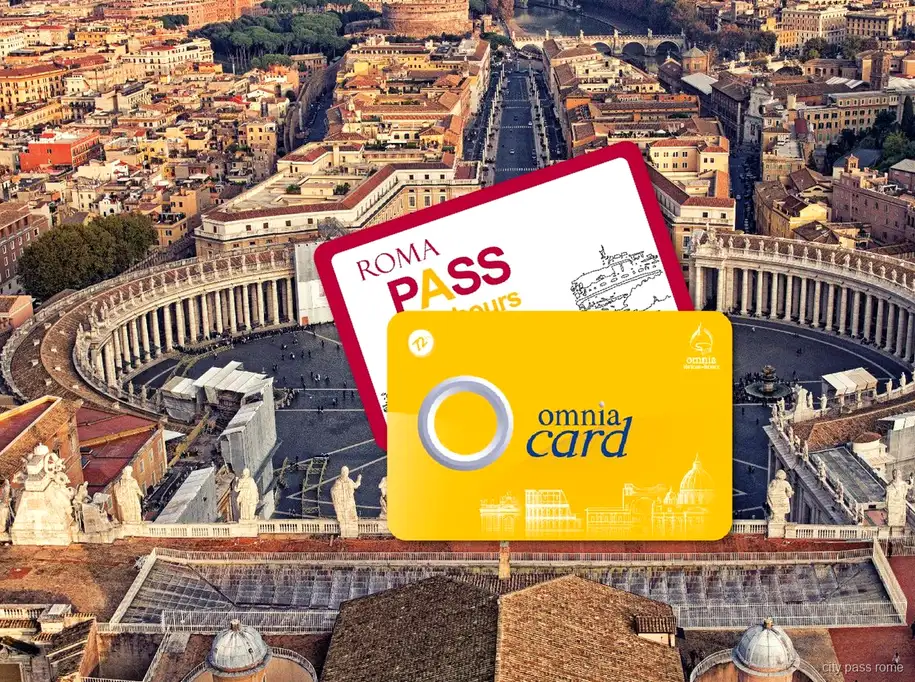
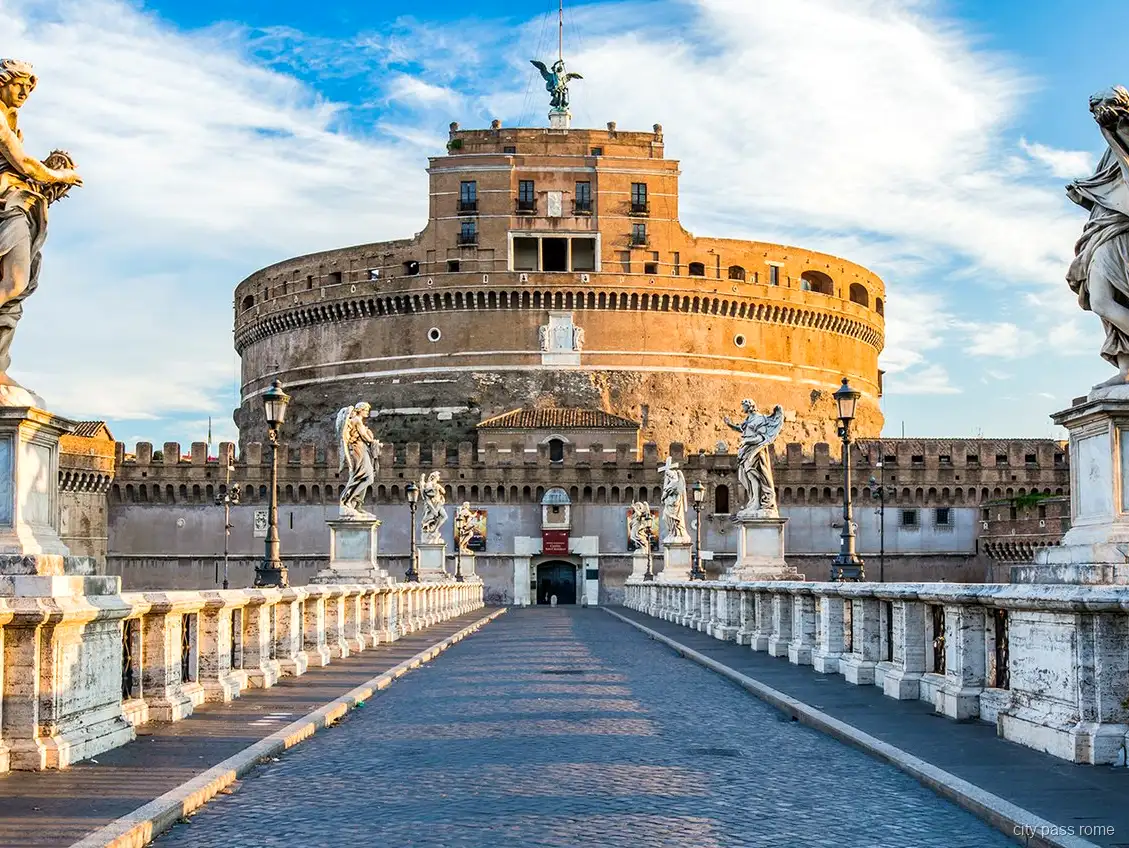
Sold by authorised partners. Prices checked 19 Nov 2026; they can change.
The Roma Pass suits most visitors who skip the Vatican Museums, while the Omnia Card is the only option that adds Vatican access. A 48-hour Roma Pass costs EUR 38 and a 72-hour Omnia Card costs EUR 149, so the right pick depends on how much you plan to see.
Rome city passes in numbers
Source:Turismo Roma, the Omnia Vatican and Rome Card and the Vatican Museums (official sites)“72 hours of fares-free access to Rome's subway and Atac city buses”
OMNIA Vatican and Rome Card, 2026 · source
City Pass Rome is this guide’s name for the tourist passes sold for Rome, chiefly the official Roma Pass and the Omnia Vatican and Rome Card. This guide covers which one to buy, what each actually costs, what they include, and whether a pass is worth it for your trip.
Which Rome city pass is best?
There is no single best Rome city pass, only a best fit for your trip. The Roma Pass suits anyone who can skip the Vatican Museums, while the Omnia Card is the only one of the two that adds Vatican access along with a hop-on hop-off bus.
I’d start with what you actually plan to see. If the Vatican Museums and Sistine Chapel aren’t on your list, the official Roma Pass covers more than 100 other attractions and transport on one card, and it costs far less than the alternative. If the Vatican Museums are a must, the Omnia Vatican and Rome Card adds a Vatican Museums and Sistine Chapel ticket plus a hop-on hop-off bus on top of the Roma Pass’s own benefits. I’ve worked through every option, including Turbopass and the Go City Explorer Pass, in my full comparison of the best Rome tourist pass.
How much does a Rome city pass cost?
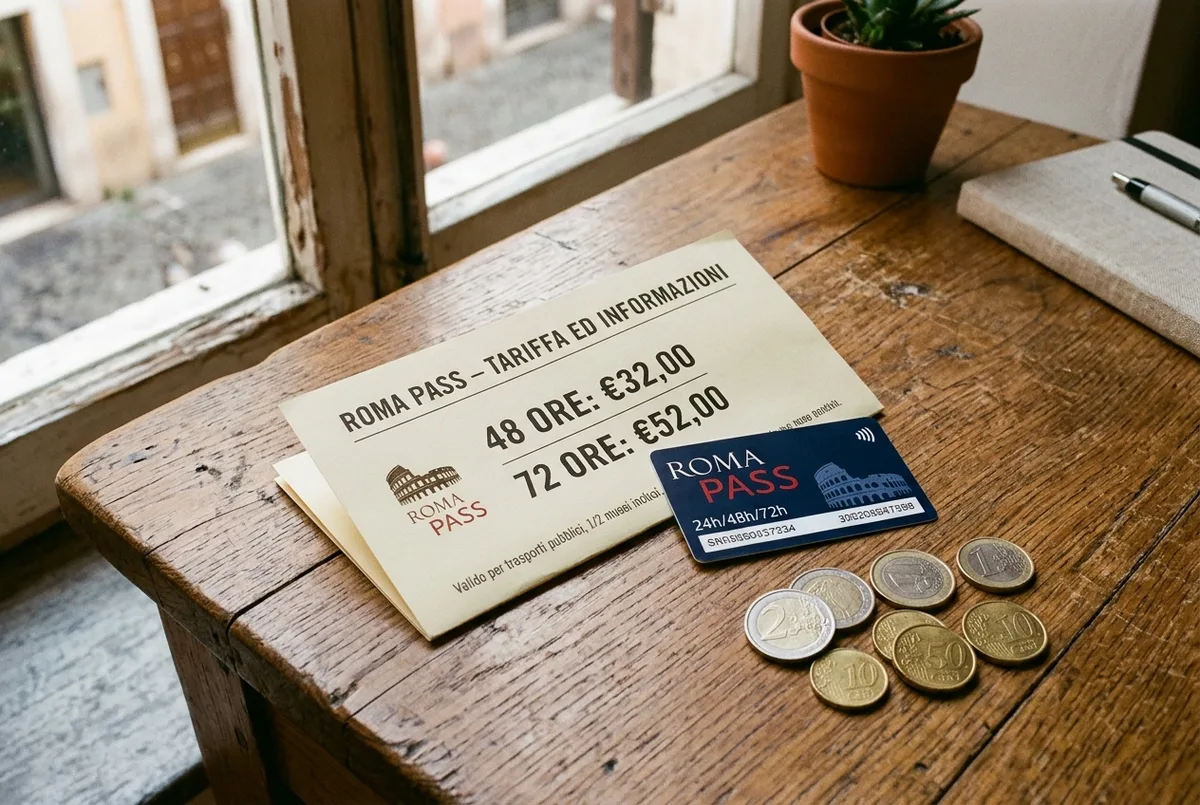
A Roma Pass costs EUR 38 for 48 hours or EUR 62.90 for 72 hours, while the Omnia Card’s 72-hour package costs EUR 149 for an adult. Both are current 2026 face prices from each card’s own site, so treat a lower figure from a reseller with caution.
Those numbers come straight from Turismo Roma and the Omnia Card’s own site, where a child rate of EUR 69 also applies to the Omnia Card for ages 6 to 17. For the exact breakdown by duration, and where each price was checked and dated, see my guide to buying Rome city pass tickets.
What does a Rome city pass include?
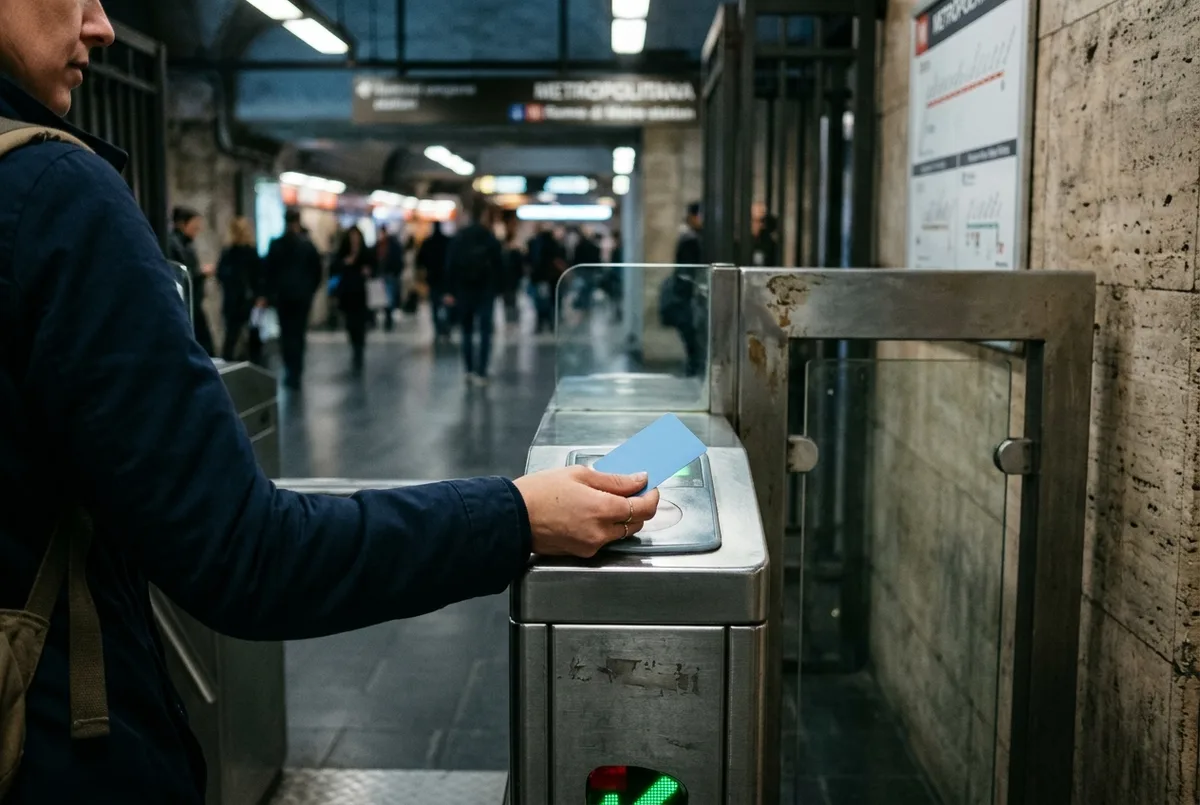
The Roma Pass’s core benefit is two free admissions across a circuit of more than 100 attractions, plus public transport and free use of the P.Stop toilet network for the card’s duration. The Omnia Card adds a timed Vatican Museums and Sistine Chapel ticket on top of those same Roma Pass benefits.
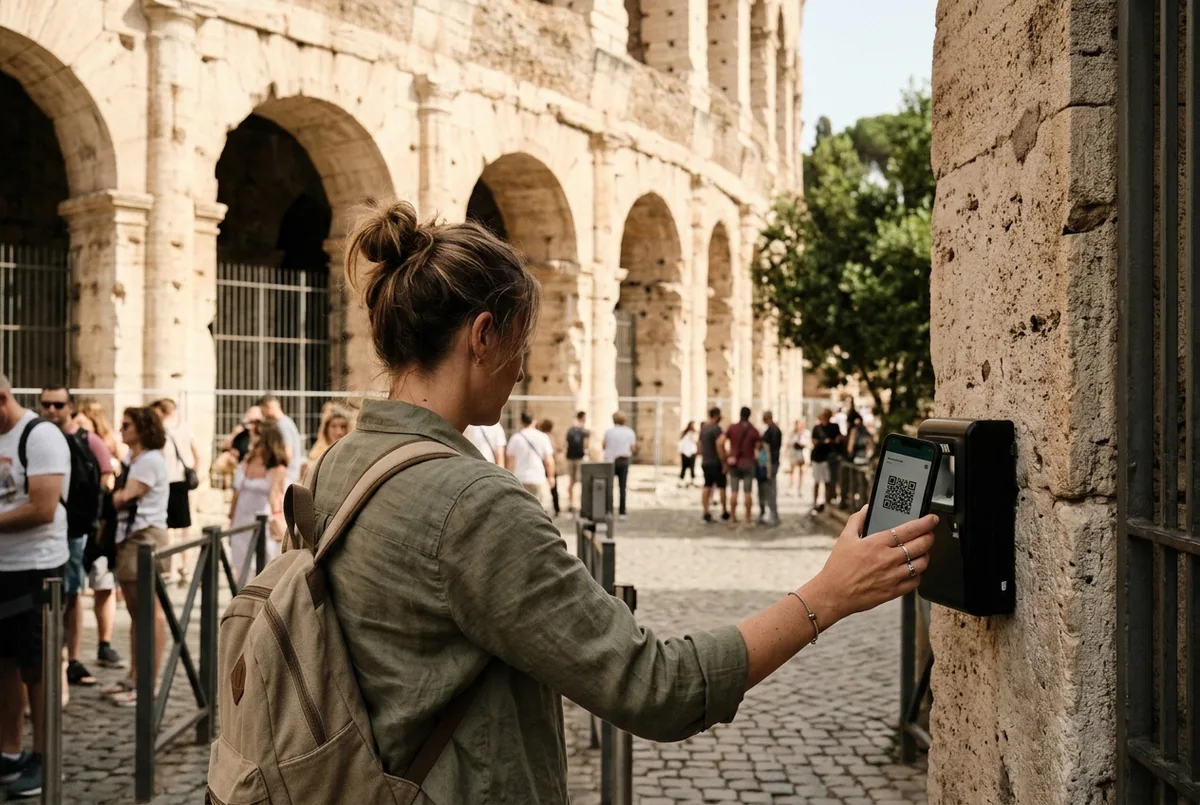
Per the Roma Pass’s official page, the card unlocks more than 100 museums, monuments and archaeological areas, with two free admissions, for example at the Colosseum and Roman Forum or Borghese Gallery, and discounted entry after that. The Omnia Card folds those same services into a bigger package: its 72-hour listing adds Vatican Museums and Sistine Chapel entry, St John Lateran, the Mamertine Prison and a hop-on hop-off bus. For the full list of what each attraction requires beyond the pass itself, see what a Rome city pass includes.
Is a Rome city pass worth it?
A Rome city pass is worth it once your planned visits add up past its price, not automatically. A standalone Vatican Museums ticket alone is EUR 20 and a 72-hour transport ticket is EUR 22, so those two alone already close much of the gap to a pass.
Say you’re planning three days in Rome with the Vatican Museums plus two more sites on your list. The Vatican Museums ticket is EUR 20 on its own, and a 72-hour transport ticket is EUR 22, so before adding a single extra museum you are already more than a quarter of the way to the Omnia Card’s EUR 149. Whether the rest of the math closes depends on how many sites you’ll actually visit and how many days you have: for that trade-off, see how many days you need in Rome, and for what a standalone transport ticket covers, see Rome’s metro and bus tickets.
Which Pass


What's Included


Getting Around

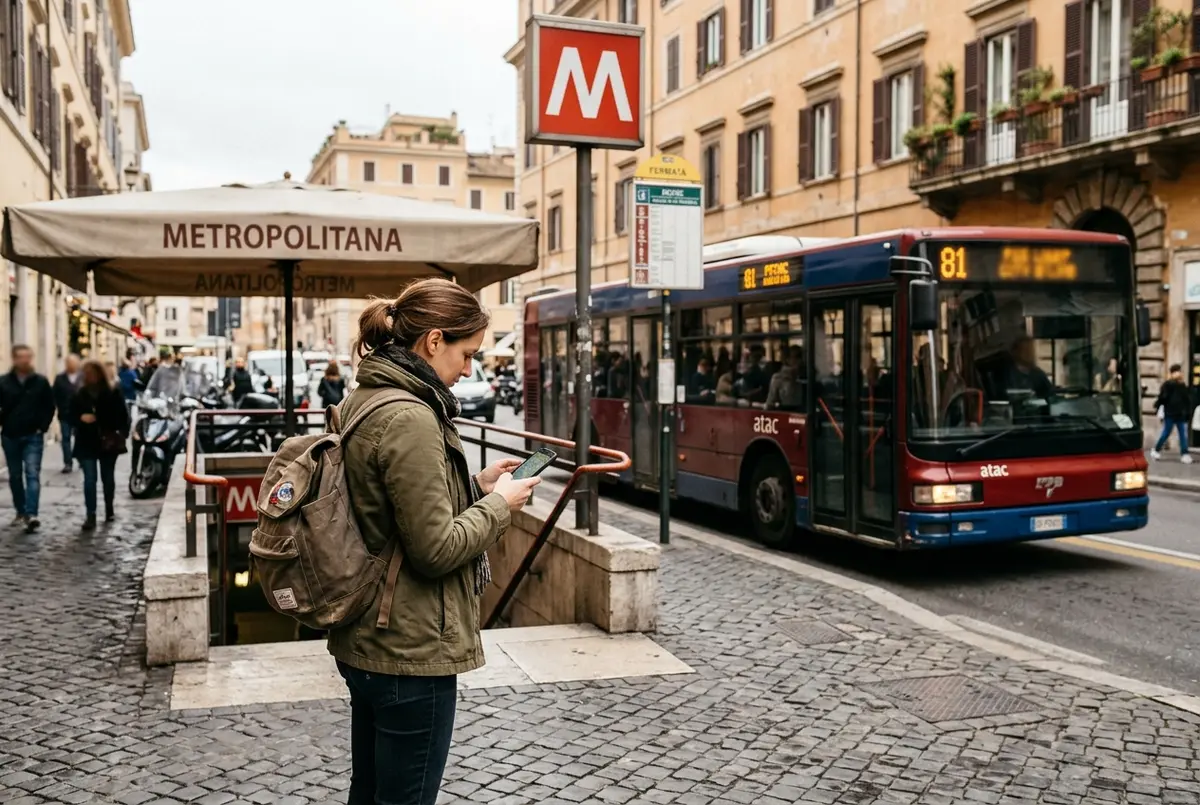
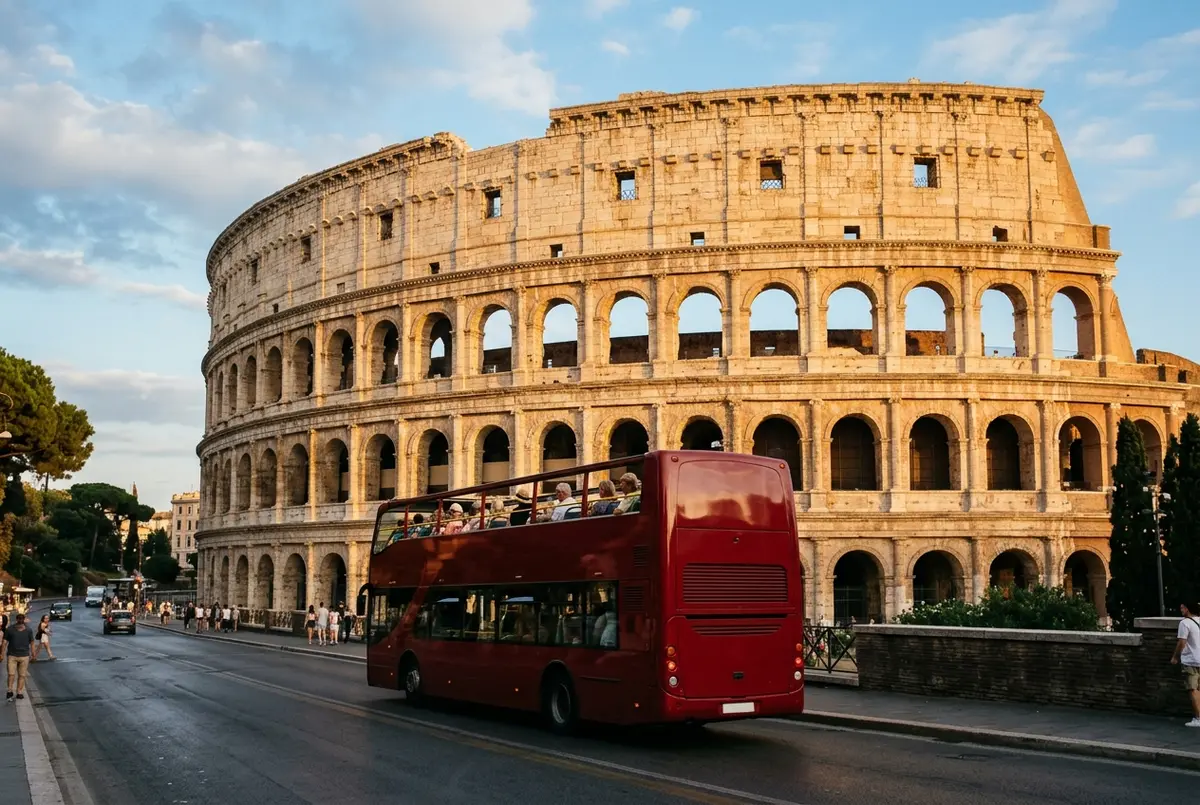

Tickets & Prices
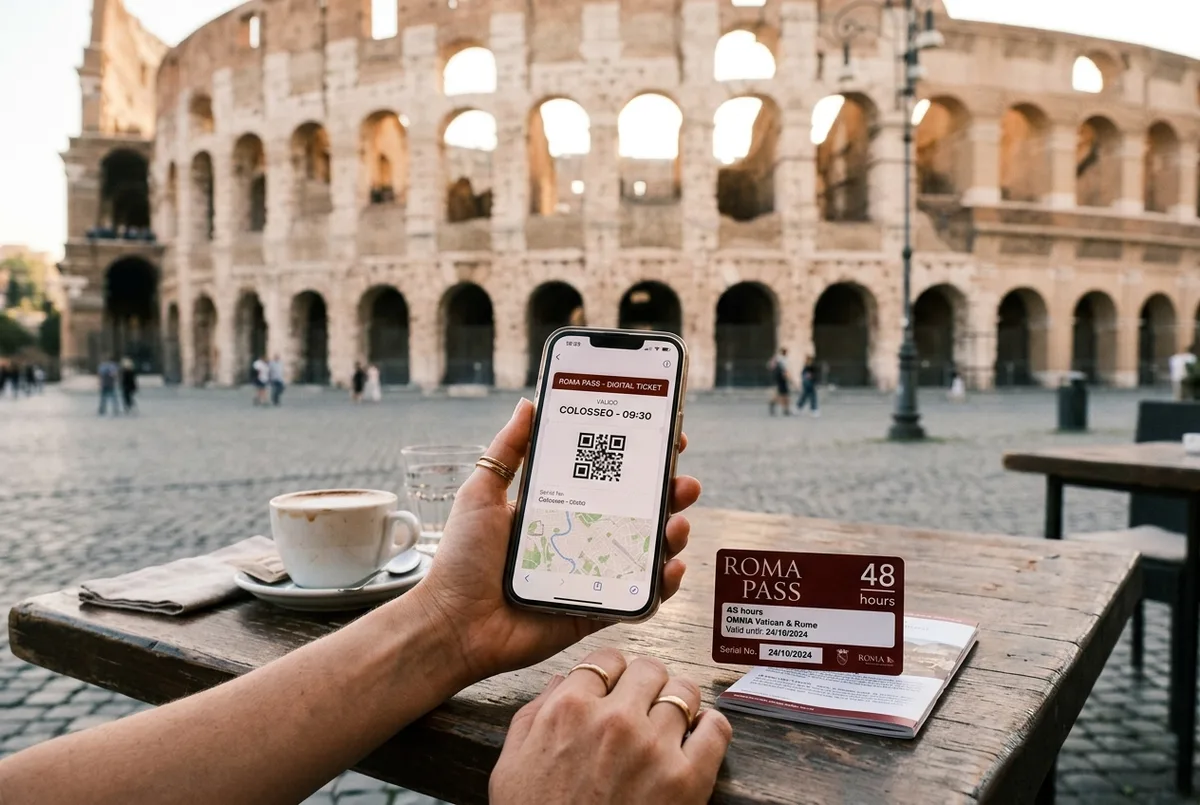
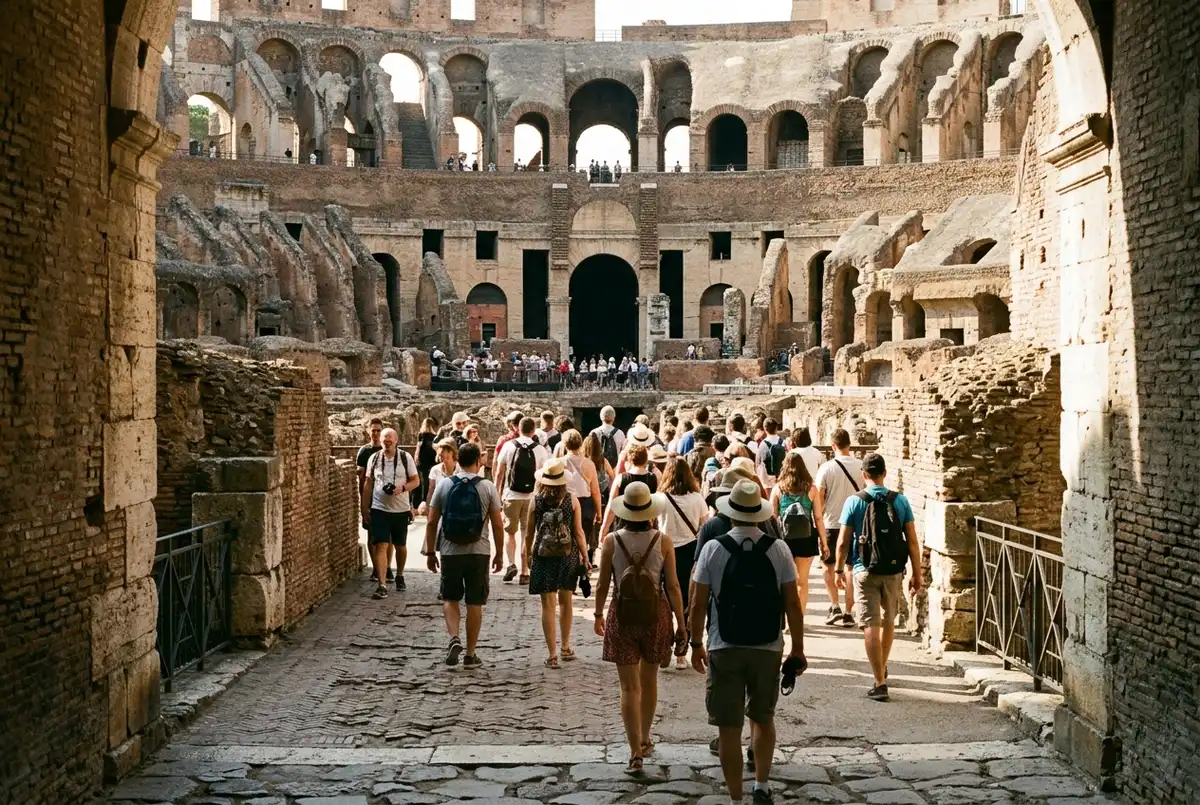
Plan Your Visit

Questions
Does Rome have a tourist pass?
Yes, the official card is the Roma Pass, which bundles access to more than 100 attractions with public transport on one card. Travelers who also want Vatican Museums access typically choose the Omnia Vatican and Rome Card instead, since it bundles the Roma Pass's own benefits with Vatican entry.
Is the Colosseum included in the Roma Pass?
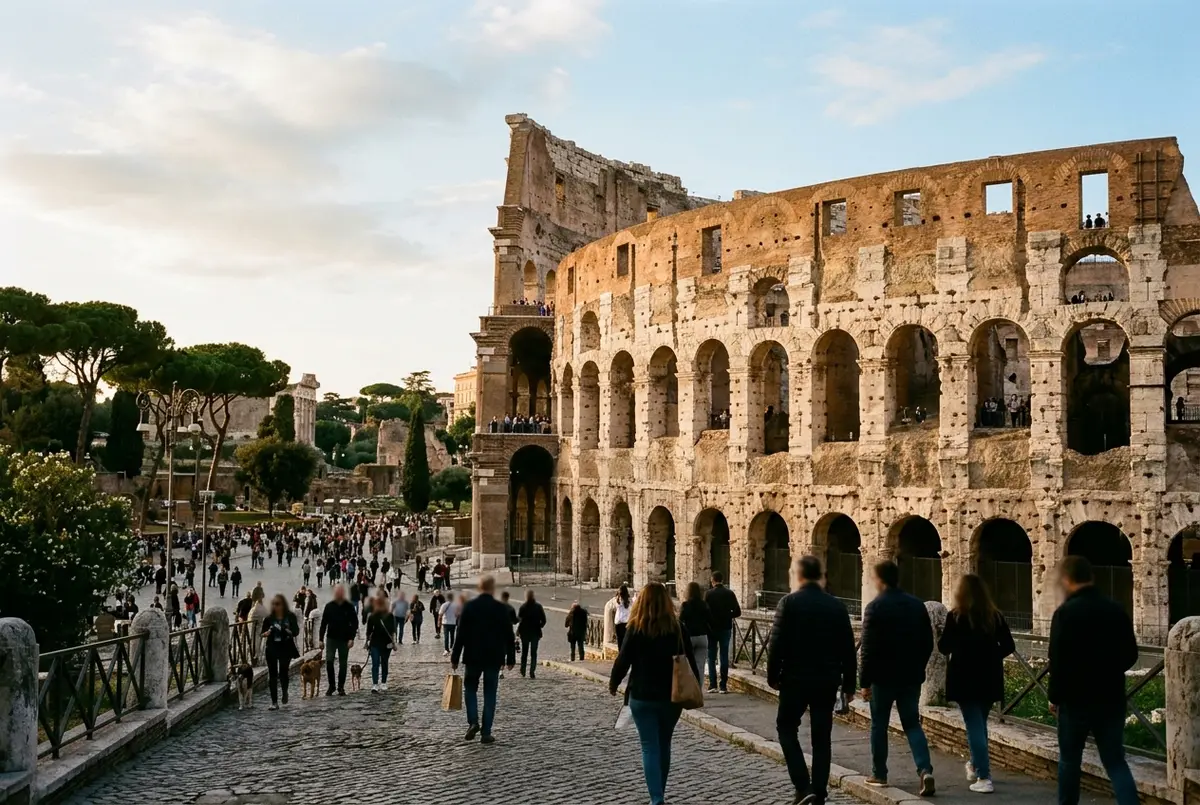
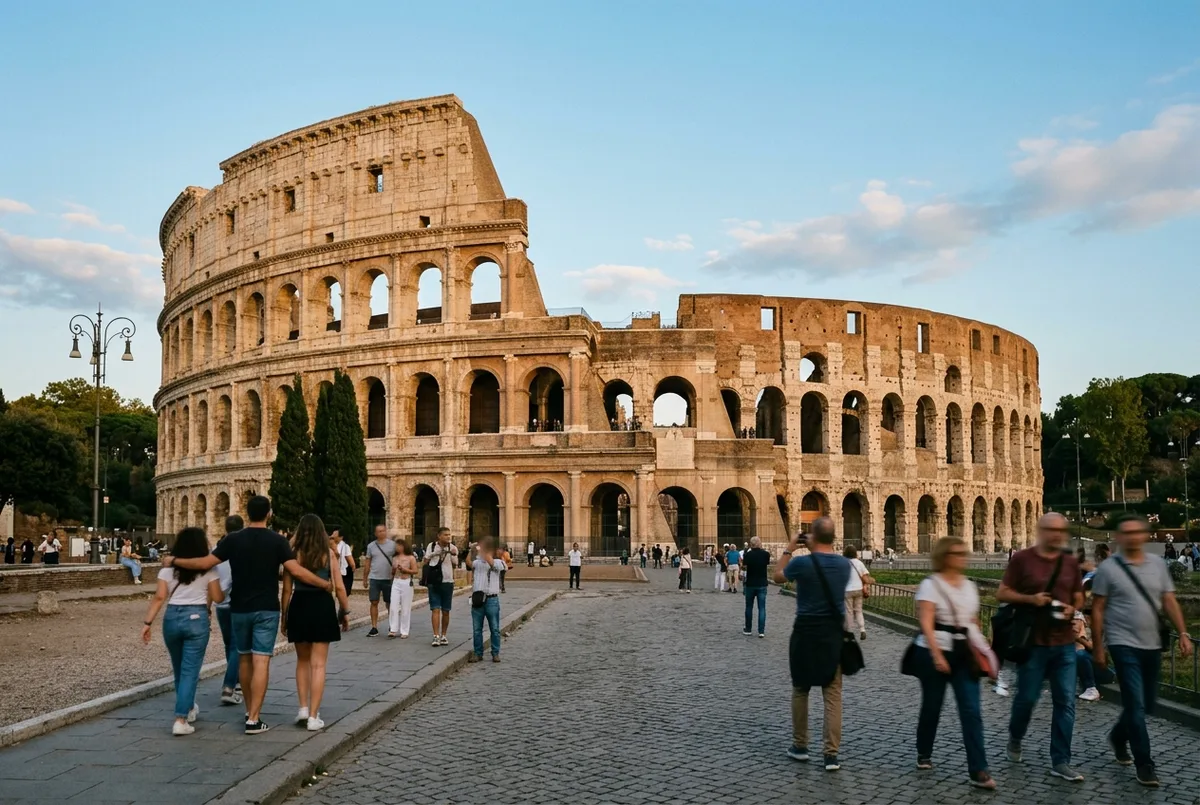
The Roma Pass's two free admissions can be used at the Colosseum and Roman Forum, which the pass's own description names as one option among its circuit. It is one of the most popular free choices on a circuit of more than 100 attractions.
How to activate Rome Pass?
Turismo Roma does not publish a separate activation step beyond buying the card through its app or a tourist info point. The closest documented rule comes from the Omnia Card, whose included passes are valid from first use and must be used by 31 December 2026.
Where can I purchase a Roma Pass?
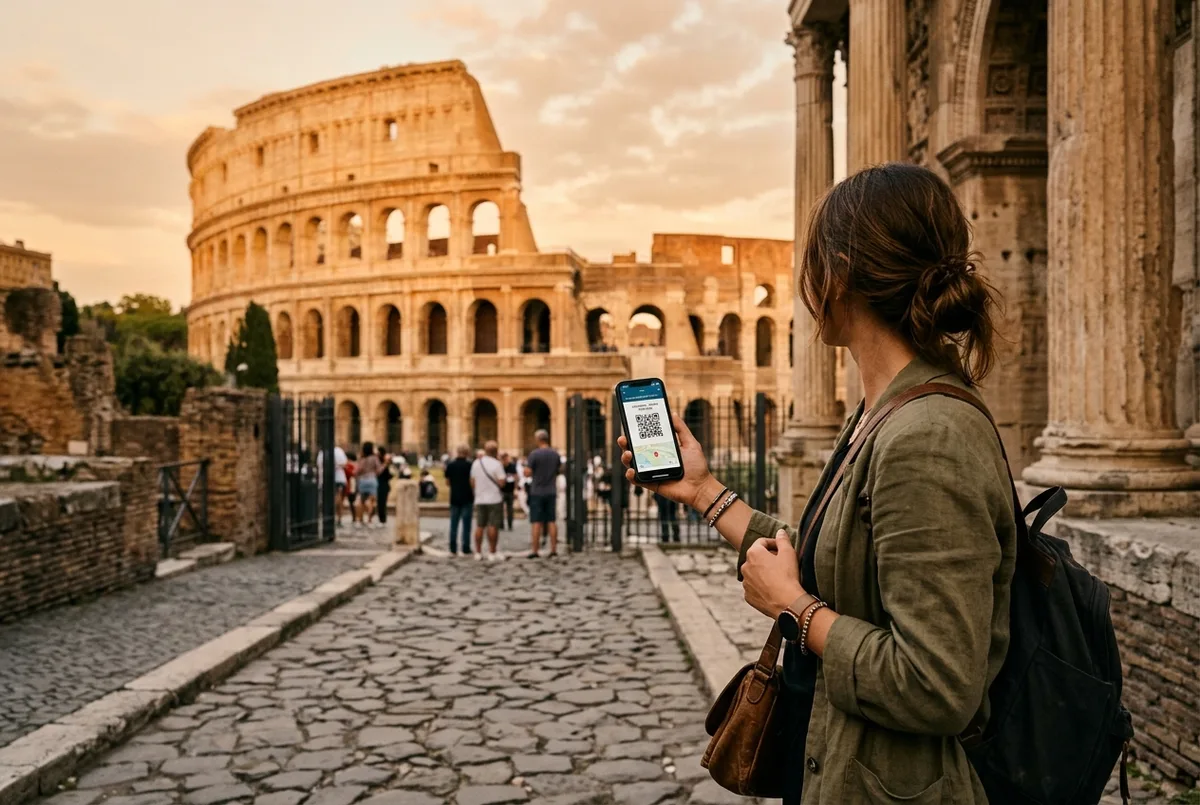
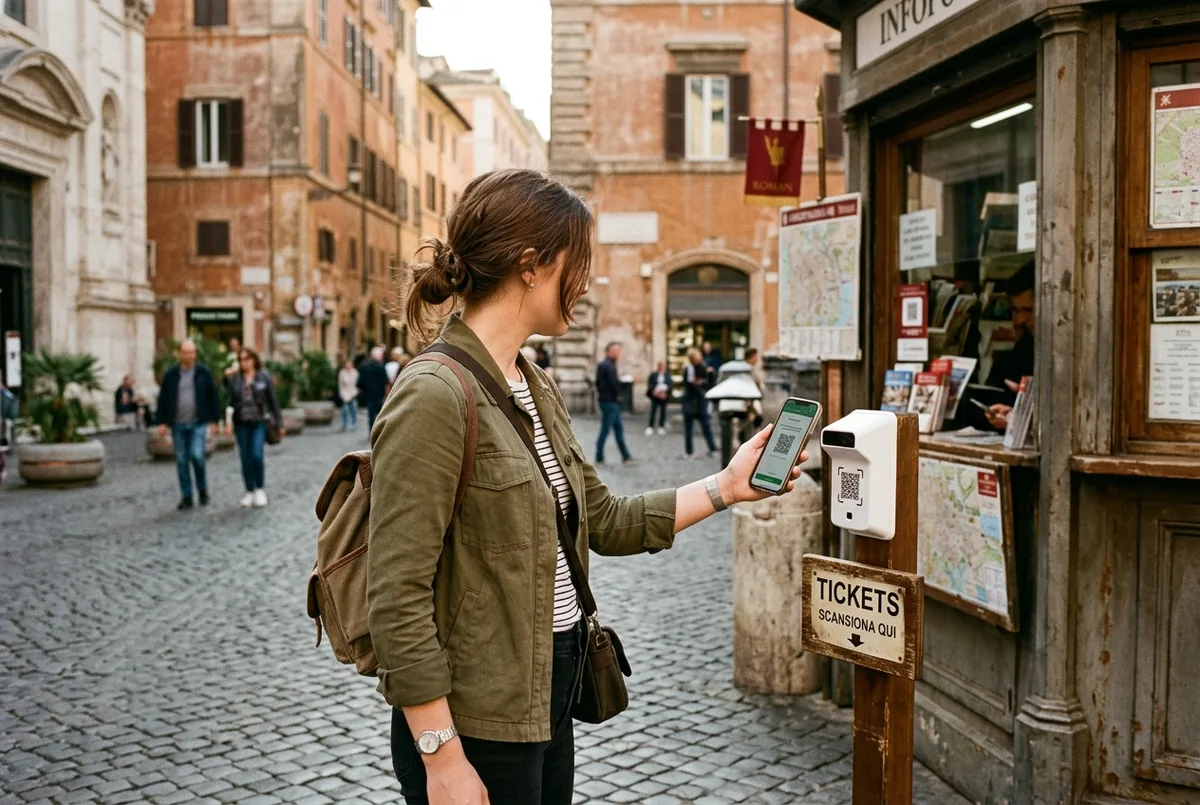
You can buy it in digital form through the iOS or Android app, or as a physical card at Roma Capitale's bookshops and tourist info points. These include desks at Ciampino and Fiumicino airports, the Fori Imperiali Visitor Center, Via Marco Minghetti and Piazzale San Paolo.
Does the Omnia Card include the Vatican Museums?
Yes, the Omnia Card's 72-hour package includes a Vatican Museums and Sistine Chapel entrance ticket, along with access to St John Lateran and the Mamertine Prison. St Peter's Basilica itself is not among its listed inclusions.
What does the 48-hour Roma Pass include?
The 48-hour Roma Pass costs EUR 38 and gives access to more than 100 attractions on its circuit, with public transport included for the card's duration. Its description also lists two free admissions at participating sites plus discounted entry elsewhere, and free use of the P.Stop toilet network.